
Vultures are the backbone of the African ecosystem, and often, one of the most overlooked inhabitants too. An updated action plan to support the conservation of African-Eurasian vultures is now in place.
Vultures are the backbone of the African ecosystem, and often, one of the most overlooked inhabitants too. Thankfully, parties to the UN Convention on Migratory Species have recognised the bird’s significance, announcing in March 2026 an updated action plan to support the conservation of African-Eurasian vultures. Whilst an encouraging development, more must be done to protect these striking birds. Extinction is sadly a real and pressing threat, a loss that neither the local, nor the global ecosystem can afford.
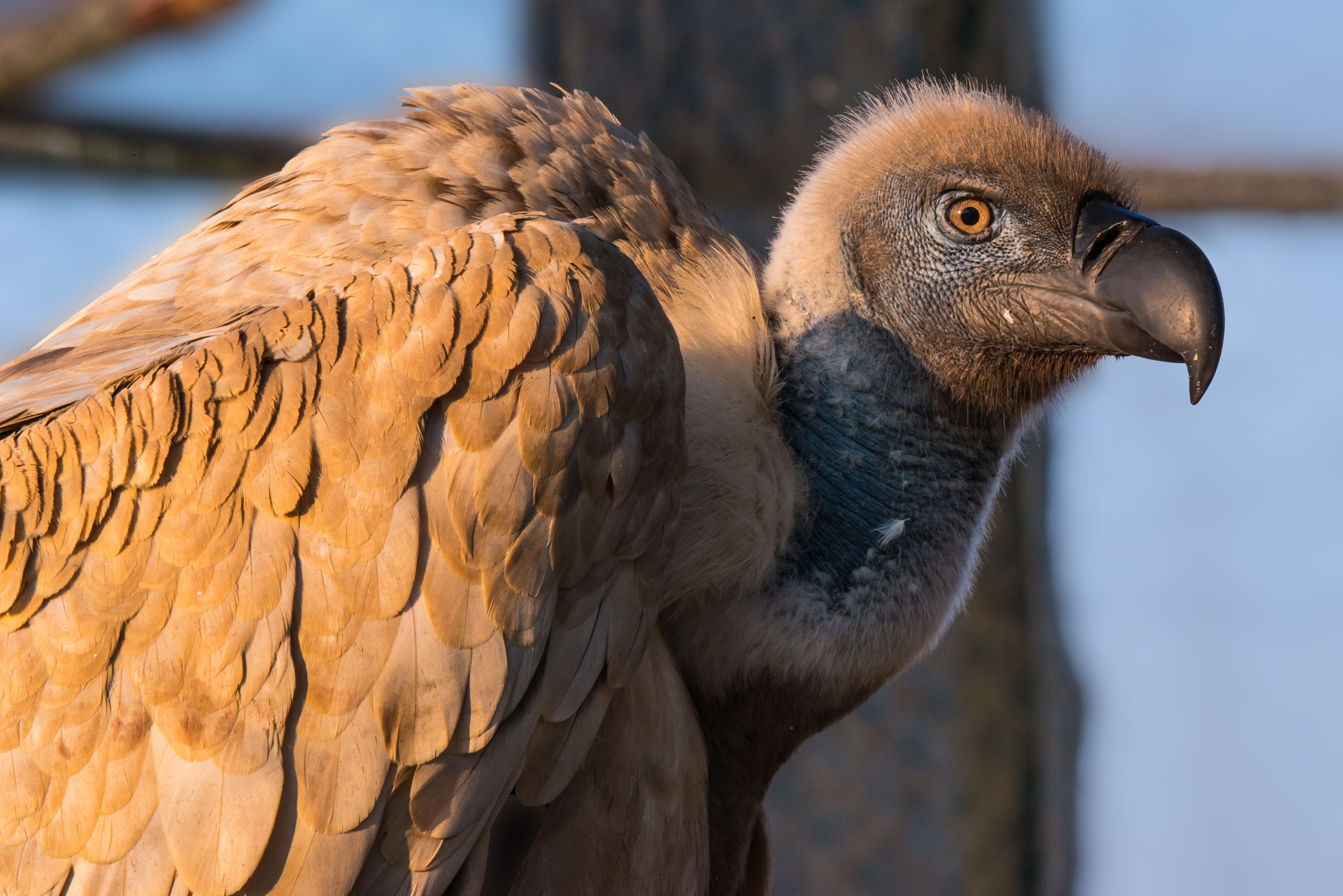
Many might be unaware of the crucial role which vultures play in protecting not just the ecosystem, but human life itself. Scattered over vast territories, these majestic birds act as nature’s own sanitation service, consuming up to 70% of Africa’s carrion. What makes them uniquely impressive is what happens next: their highly acidic stomachs destroy dangerous bacteria that would otherwise linger in carcasses, stopping the spread of deadly disease to both wildlife and humans.
The BBC reported that the decline of vultures in India had contributed to an estimated 500,000 human deaths; a stark reminder of just how intertwined the animal kingdom is with our own survival.
Unfortunately, India is not an isolated case. In 2015, the Vulture Conservation Foundation declared there to be an ‘African vulture crisis,’ a label which remains in place today. Birdlife International, the world’s largest nature conservation partnership, reports that six of Africa’s eleven vulture species are facing imminent extinction, with populations plunging by up to 97% over the past 50 years. The Cape Vulture, for instance, has already been classified as extinct in Namibia, Swaziland and Zimbabwe.
Intentional poisoning is among the most prolific threats these once ubiquitous birds now face. When vultures circle overhead, they act as a natural alarm system, alerting authorities to illegal poaching activity below. Poachers deliberately lace carcasses with poison to evade detection.
As highly social birds that often feed in large groups, a single poisoned carcass can kill hundreds of vultures in one fell swoop. As recently as January 2026, 34 vultures died in the Amboseli National Park after feeding on a cow carcass laced with poison.
Intentional poisoning is far from the only problem vultures face. From being killed for use in traditional medicine practices to accidental poisonings and collisions with powerlines, vultures are threatened from every angle. In turn, conservation efforts must match that reality.
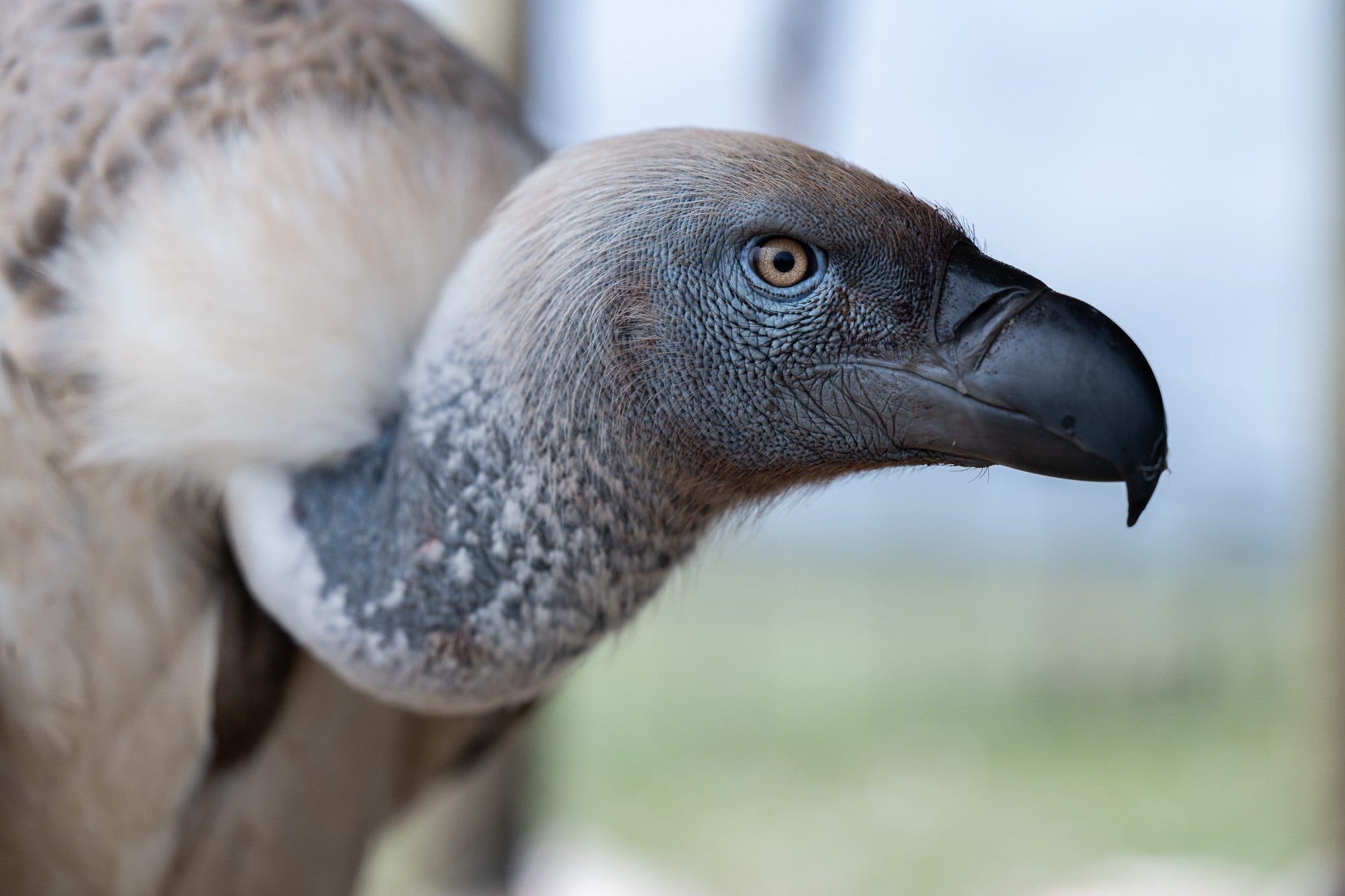
One part of the emerging solution is safe zones. These areas offer vultures protected corridors where threats can be monitored and controlled. Successfully deployed in Asia, the model was employed in Africa in 2019 with the continent’s first zone established across 114,000 hectares of the Tswalu Kalahari Reserve.
Safe zones are undoubtedly a step in the right direction. However, as is always the case with conservation, rarely does one action provide a panacea. In such a vast territory as Southern Africa, animal migration often undermines the effectiveness of safe zones. Put in plain terms by van den Heever from BirdLife South Africa, vultures “do not stay put.” As vultures routinely cross reserve boundaries, the protection offered ceases to exist for large portions of their range.
Safe zones can still offer meaningful protection though, particularly during breeding season when adults tend to range less widely. But they are not a solution in and of themselves. To fully protect vultures, more must be done.
Tusk is taking on that challenge. We are proud to stand at the forefront of vulture conservation through our partnership with VulPro. With facilities in Hartbeespoort, north of Johannesburg, and in the Eastern Cape on the Shamwari Private Game Reserve, VulPro collaborates with local communities, researchers and conservation partners to provide a holistic solution to tackle the myriad threats vultures face.
On the ground, VulPro teams monitor populations, mitigate threats, and work to build coexistence between vultures and the communities that share their landscapes. One example of their efforts includes ‘vulture restaurants,’ a specialised operation providing wild populations with uncontaminated carcasses as supplemental food.
Off-site efforts include rehabilitation centres to nurse injured birds back to health, and captive breeding programmes which work to reverse population collapse. The organisation has successfully rehabilitated over 450 vultures and released more than 50 captive-bred vultures into the wild. With an impressive 75% survival rate for rehabilitated vultures (and as the only facility in Africa breeding vultures expressly for release into the wild), VulPro’s work embodies the exact kind of comprehensive, long-term thinking that vulture conservation demands.
Long-term conservation plans must also confront the growing threat of climate change. As VulPro founder Kerri Wolter explains, for vultures specifically, the exogenous threat disrupts the rhythm which they rely on to “breed in sync across their breeding ranges.” Rising temperatures expose “chicks to extreme heat” and “push parents to their limits as they try to protect them against harsh weather.”
Tackling climate change will inevitably demand governmental and cross-border action, but local-level initiatives have an equally vital role to play. Building community capacity and empowering local leaders around a shared vision of thriving African biodiversity is central to lasting change. This is precisely the work that Tusk and VulPro are doing through their partnership, giving these remarkable birds, in Kerri’s words, “hope to survive.”
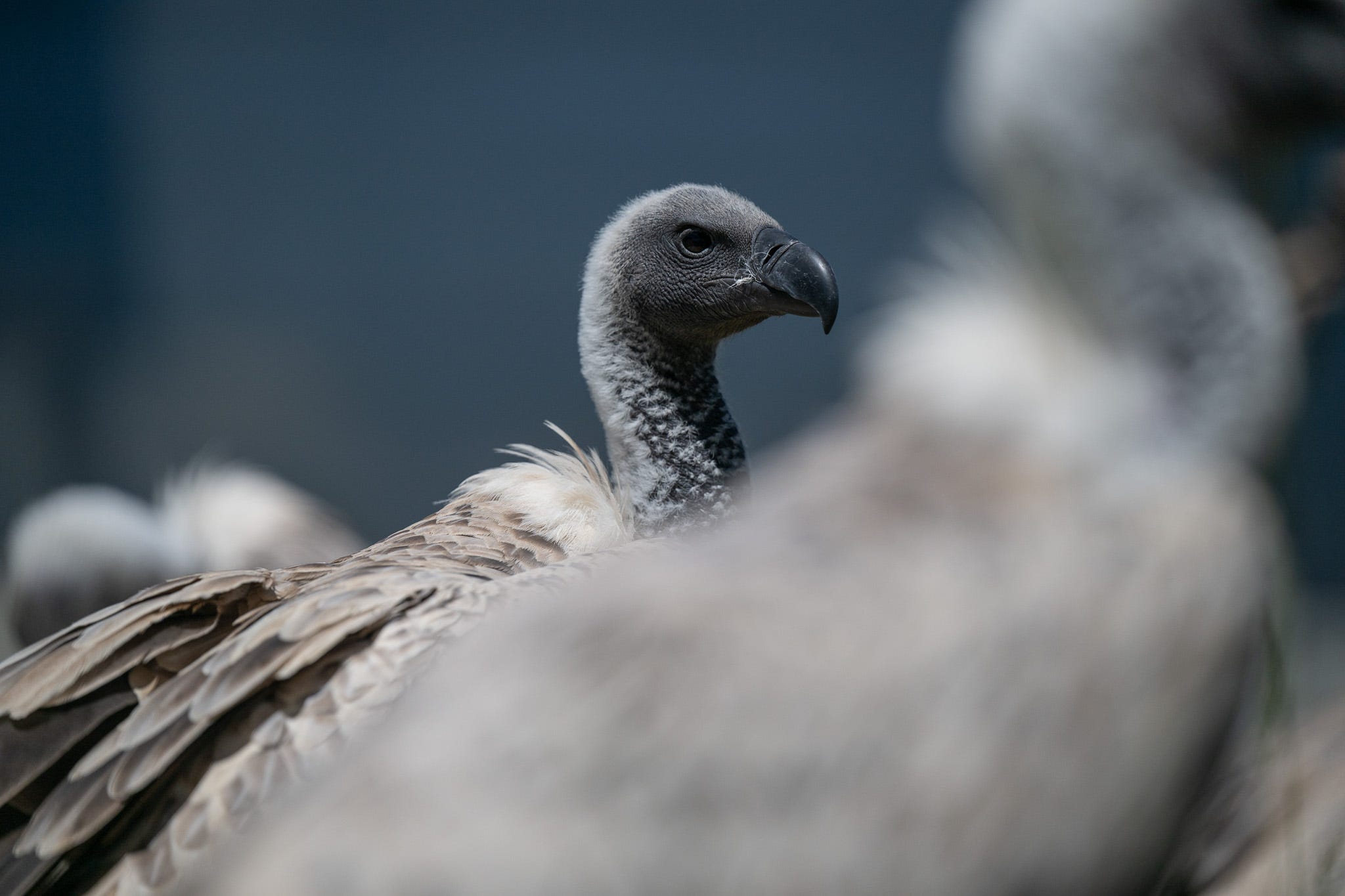
The threats facing vultures are many and varied, but so too are the solutions. Through safe zones, community coexistence, rehabilitation, and coordinated conservation action, there is real cause for hope.
Tusk and VulPro are wholly committed to protecting this often-misunderstood species, and progress is being made. Indeed, VulPro’s work proves that every single bird matters. But if Africa is to pull vultures back from the brink of extinction, the scale of action must match the scale of the crisis.