For years, rhino poaching has symbolised one of the toughest battles in wildlife conservation. However new figures from South Africa offer an encouraging update: the numbers are moving in the right direction.
For years, rhino poaching has symbolised one of the toughest battles in wildlife conservation. However new figures from South Africa offer an encouraging update: the numbers are moving in the right direction.
South Africa’s anti-poaching and anti-trafficking efforts have yielded a 16% overall decline in rhino poaching in 2025 compared to 2024. The Minister of Forest, Fisheries and the Environment, Willie Aucamp said: ‘this achievement is the result of ‘dedication and tactical, swift coordination… by [the] government, the private sector and non-governmental organisations.’
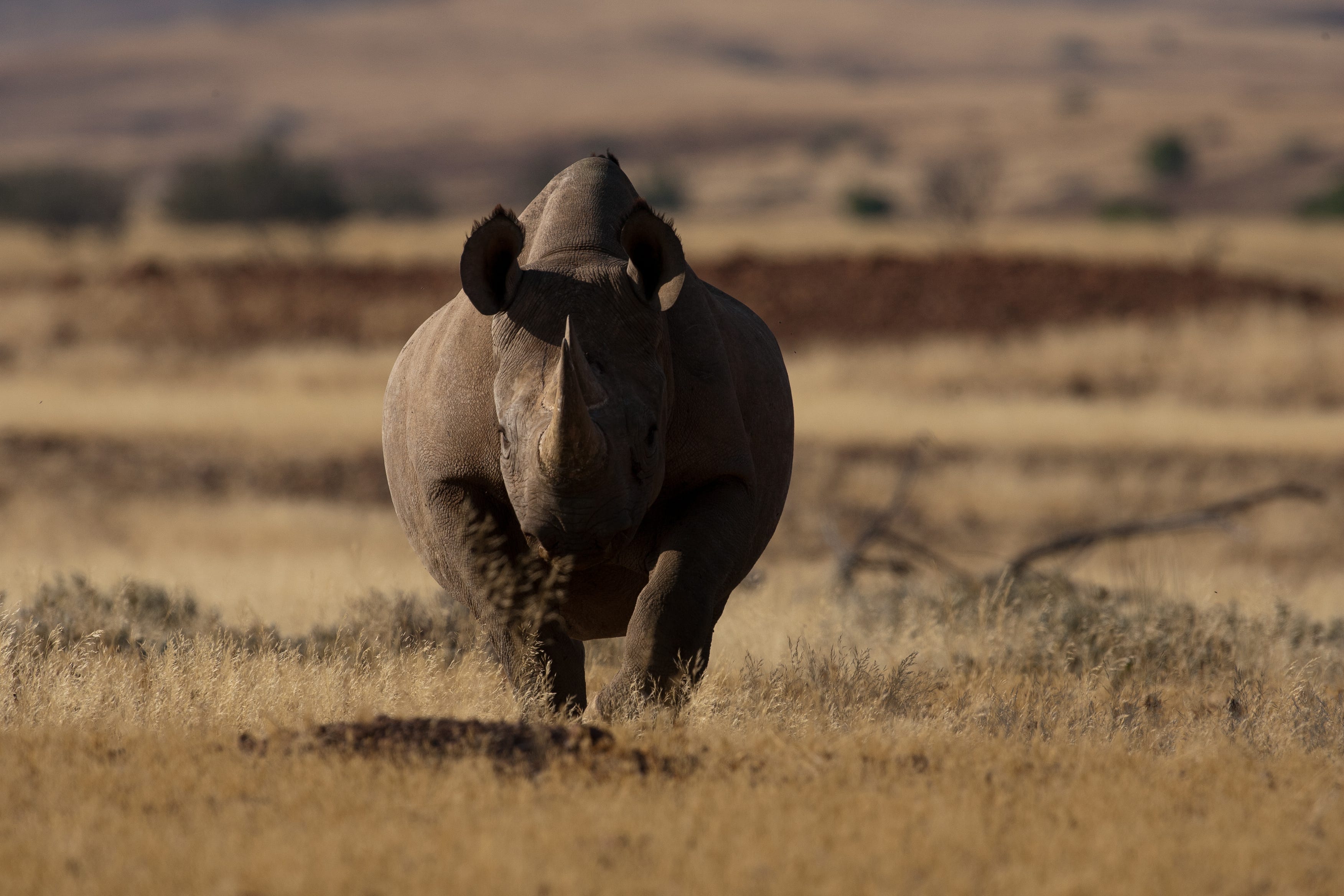
In 2025, 352 rhinos were poached in South Africa, with 266 killed on state-owned properties, and 86 on privately owned parks, reserves or farms. While the numbers do show overall progress, regional patterns reveal ongoing challenges.
One of the most concerning trends comes from the Mpumalanga province, where 178 rhinos were poached in 2025, a woefully sharp increase from the 92 that were lost in 2024. Most of these losses occurred in Kruger National Park, where 175 rhinos were poached, up from 88 the previous year.
However, poaching is far from the only threat rhinos face. Habitat erosion has left rhinos scattered across more than 25,000 hectares of arid land, where expanding human settlements, agriculture, and logging continue to degrade their natural habitats. As vegetation disappears, so do the food sources and shelter rhinos rely on. With fewer protected areas and more unfenced land to roam, rhinos are often forced to move through landscapes where they are easier targets for poachers to track.
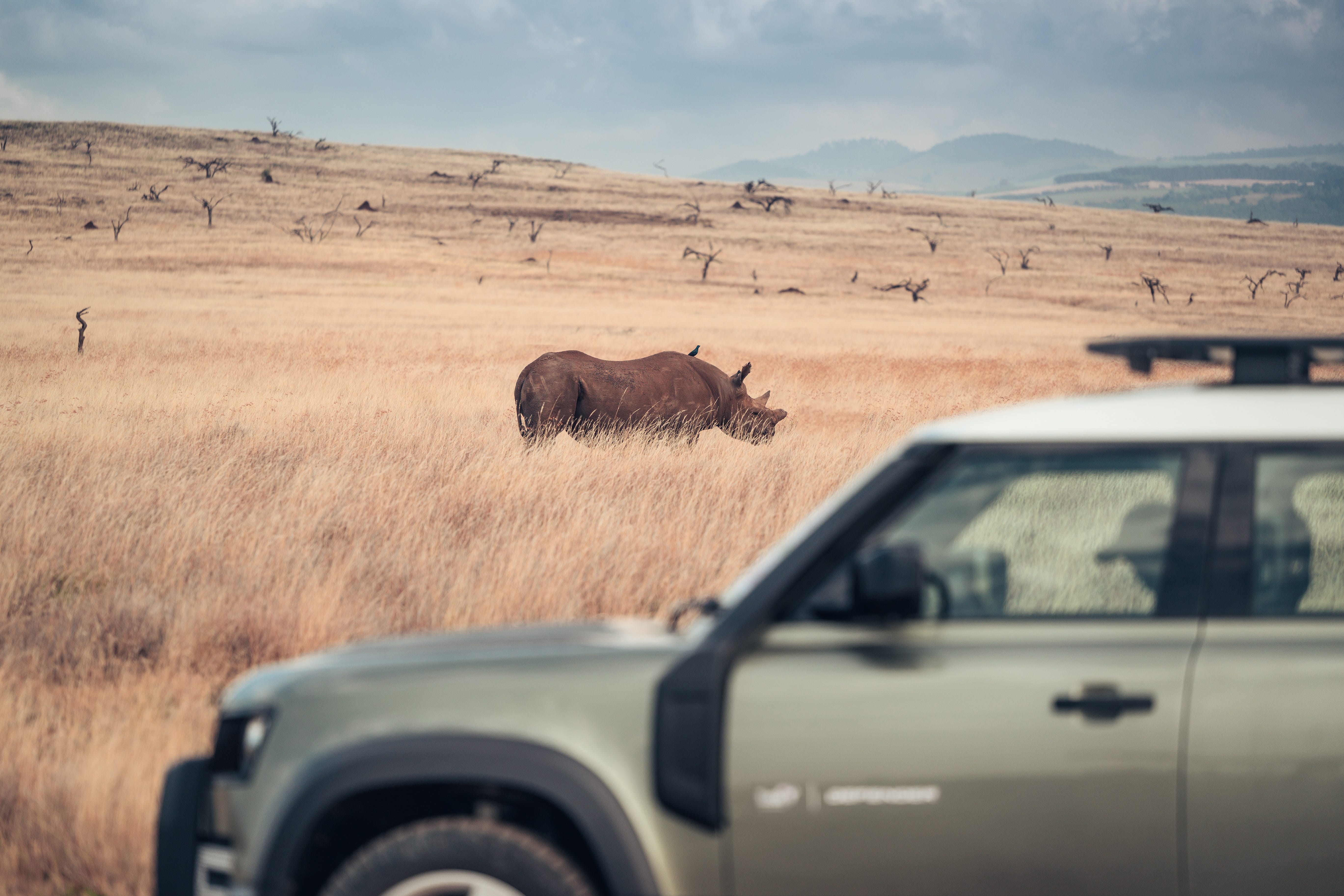
Despite these challenges, conservation successes increasingly show that collaboration can pave the way to better outcomes. Minister Aucamp emphasised that sustaining these anti-poaching gains requires coordinated action across governments, NGOs, and the private sector, supported by clear objectives and enforcement measures.
Collaboration is at the heart of achieving Tusk’s mission. We have been a partner of Save the Rhino Trust Namibia (SRT) since 2008, protecting the last free-roaming population of black rhinos in the world. As rhinos continue to face the constant threat of poaching, Tusk provides critical funding to support SRT so that community-driven efforts have the resources needed to grow to create a visible impact.
Our partnership has coordinated rhino protection strategies through combined expertise on rhinos and their surroundings via information gathered from local informants and high-tech systems. SRT also works with the Ministry of Environment and Tourism to provide training, resources, and personnel for anti-poaching operations and traditional patrols. We also invest in the monitoring and surveillance of black rhino populations, protecting them from poaching and maintaining populations at stable levels in many areas.
Ultimately, rhinos have made a remarkable recovery over the last century. In the 1930s, only 30 or 40 remained. Thanks to decades of conservation work, populations rebounded to around 21,000 by 2012. Nevertheless, poaching over the last decade has reduced numbers to around 17,500. Rigorous anti-poaching initiatives, through partners like SRT, give the species a fighting chance at continued recovery.
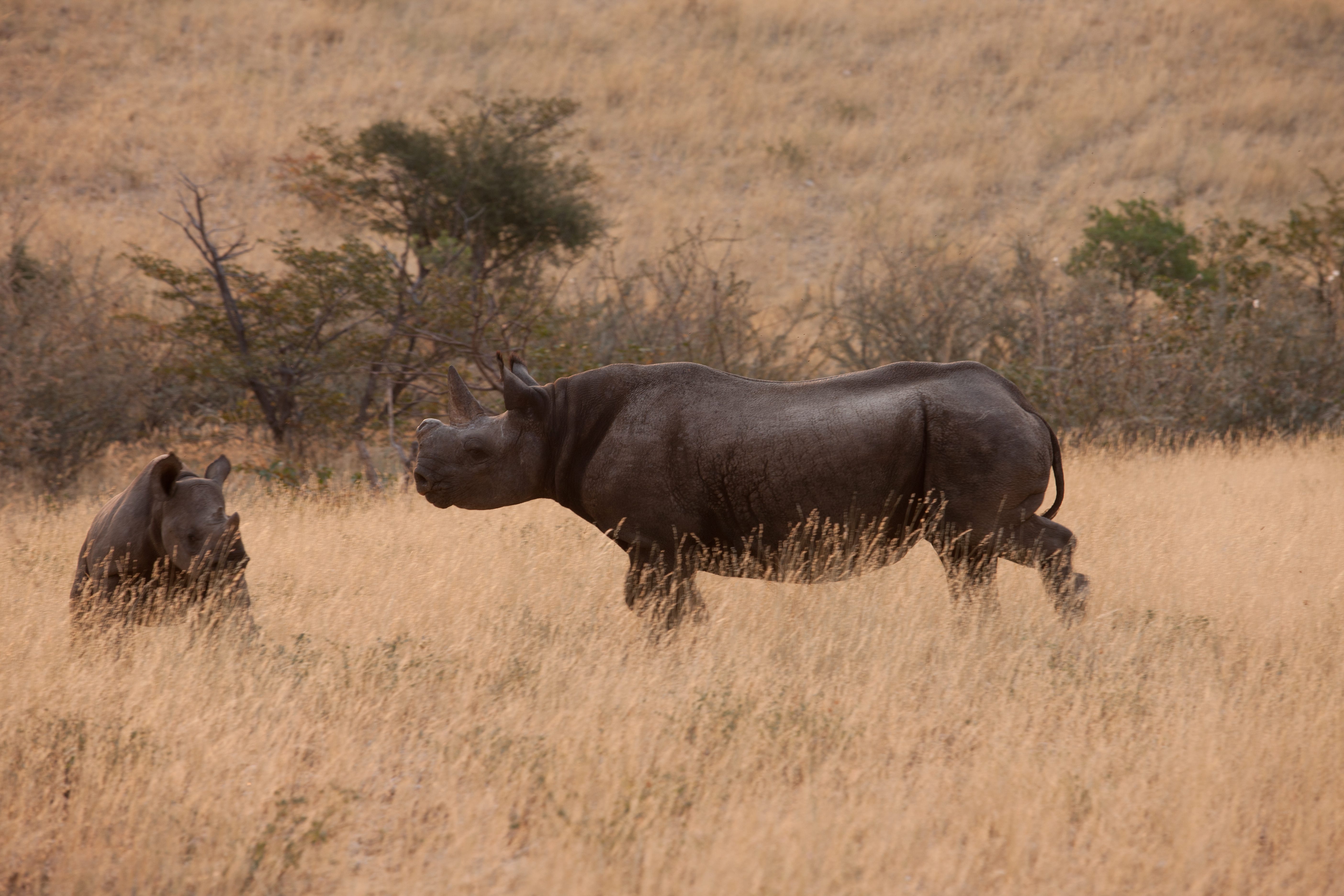
South Africa’s 16% decline in rhino poaching in 2025 is a powerful reminder that positive impact is possible. Yet with climate change and persistent wildlife crime, we know we cannot afford to be complacent. The successes of 2025 demonstrate that coordinated, persistent action can make a difference, but the challenge now is ensuring that this positive trend continues.