By working together, those trying to protect wildlife are beginning to make real progress. No single organisation can stop wildlife crime. The networks behind it are too agile, too well-resourced, too far-reaching. But something important is happening.
Partnerships are among the most powerful tools for protecting Africa’s wildlife – and nowhere is that more apparent than at Jomo Kenyatta International Airport. Recently, British Airways (BA) and the African Wildlife Foundation (AWF) joined forces to support the Kenya Wildlife Service (KWS) in boosting its capacity to detect and deter illegal wildlife trafficking at Nairobi’s largest travel hub.
This cross-sector collaboration is not only preventing illegal wildlife products from entering Kenya but also demonstrates the power of collective action in curbing the illegal trade.
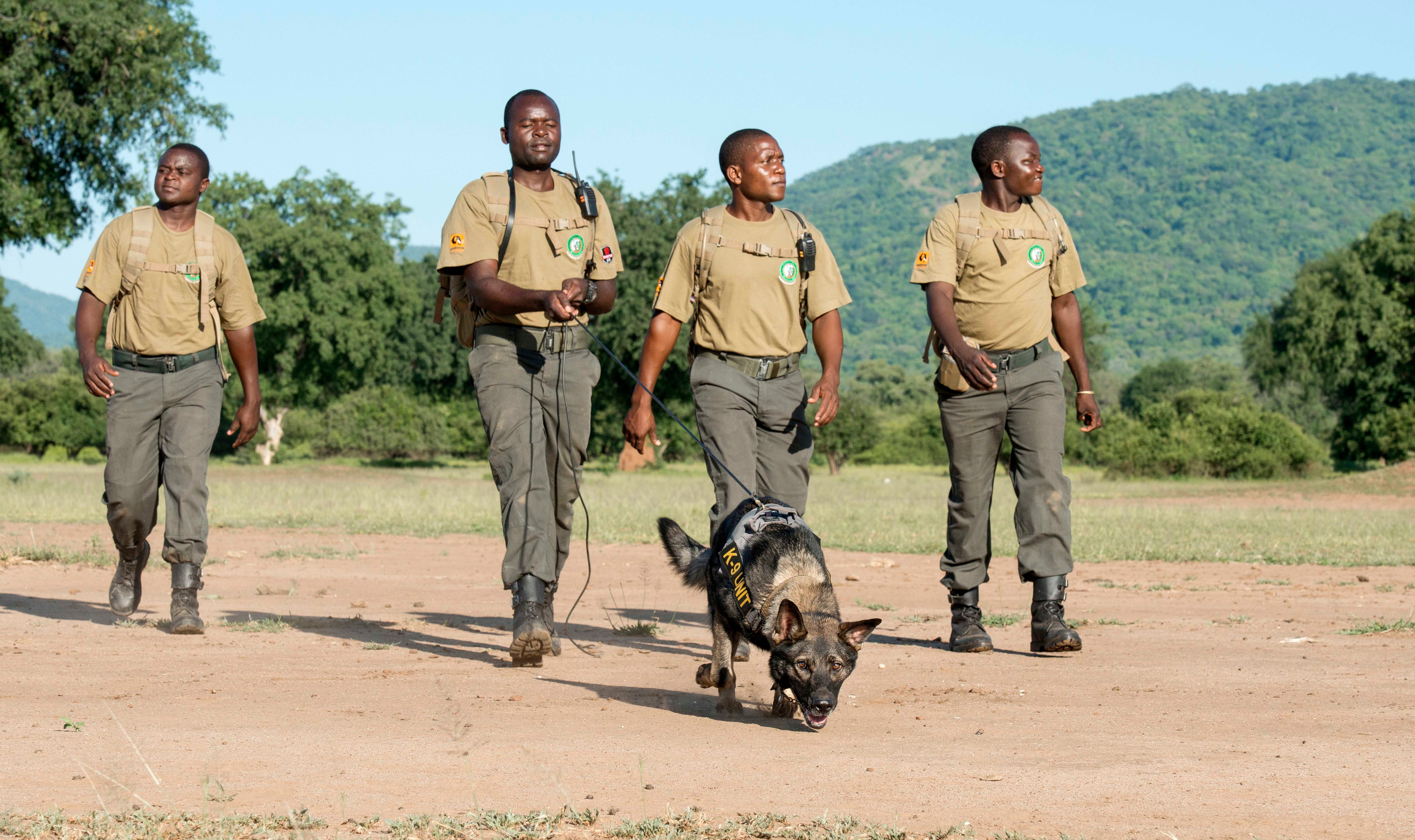
The results are tangible. With funding from BA, two specialist detection dogs and 21 KWS handlers have been trained and deployed at the airport. The dogs are trained to pick up the scent of trafficked wildlife products like ivory, pangolin scales or rhino horns – items that are still being moved through global travel networks with alarming frequency. Already, they are helping to intercept these goods before they reach markets across the world, including in Europe and the US.
As trafficking networks grow more advanced, partnerships like the BA-AWF agreement are vital for pooling resources and expertise, enabling conservation initiatives to outpace smugglers and disrupt illegal activities.
Didi Wamukoya, Director of Counter Wildlife Trafficking at the AWF stressed that ‘traffickers are becoming more sophisticated, targeting lesser-known species’ and ‘exploiting fast-moving logistics networks.’ Partnerships like the one between BA, AWF and KWS are not just helpful, they are necessary if efforts are to keep pace.
The idea that collaboration is where real progress happens sits at the heart of Tusk’s work. Since 2012, Tusk has partnered with Conservation Lower Zambezi (CLZ), an organisation that works closely with the Zambian Department of National Parks and Wildlife (DNPW) and local communities to protect the wildlife of the Lower Zambezi National Park and its surrounding areas.
It’s a vast, remote landscape, and one that sits along a key route for illegal wildlife trade. That remoteness makes enforcement difficult, but it also makes strong local partnerships all the more important.
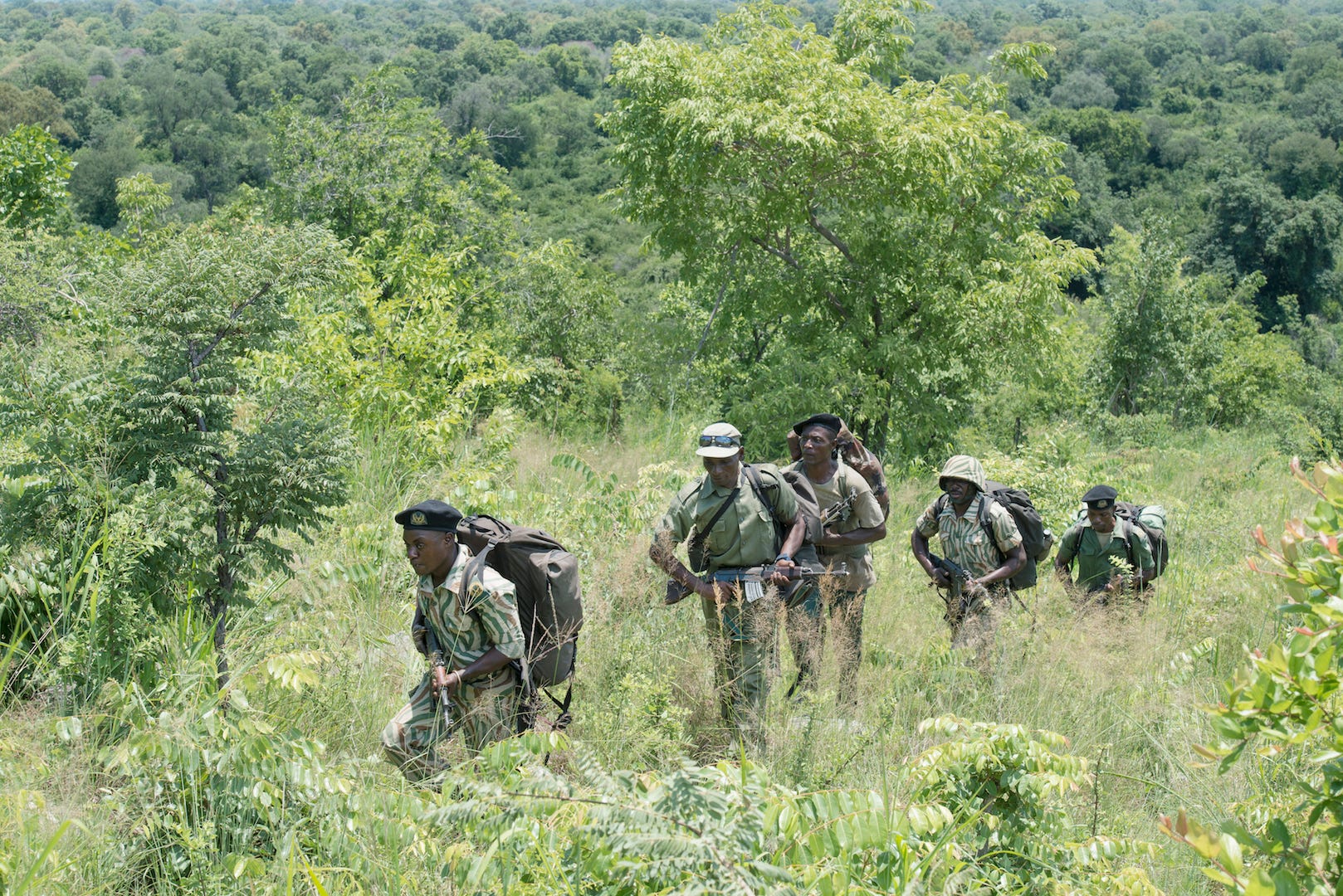
Fortunately, CLZ provides financial, logistic, and technical support to the DNPW to protect the region’s wildlife. This support includes a specialised 10-person Rapid Deployment Team consisting of DNPW Officers and CLZ Community Scouts, as well as a Detection and Tracking Dog Unit operating within the region and along known illegal wildlife trade transport routes.
But enforcement is only part of the picture. Conservation also depends on the people who live alongside wildlife every day. Through CLZ’s Community Support Programme, farmers are trained in human-wildlife-conflict mitigation techniques, which are crucial in areas where elephants and hippos frequently raid crop fields. Village Scouts also conduct further patrols and provide on-the-ground support to local farmers, promoting chilli farming and elephant-safe grain stores to protect crops from wildlife.
Tusk’s role in all of this is to support and strengthen these partnerships, through funding, but also by helping to connect people, share knowledge and amplify what’s working.
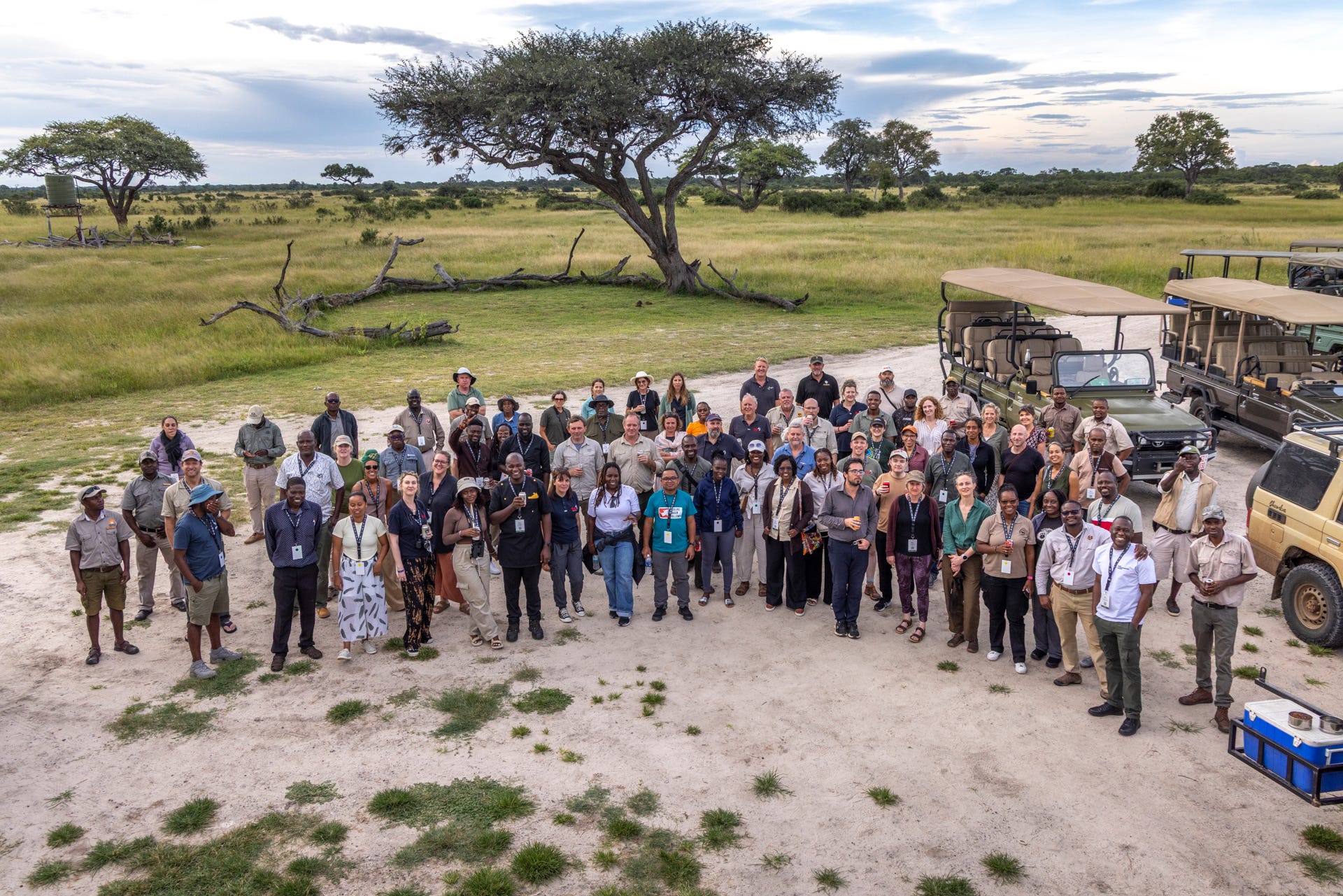
On 2-6 March, more than 70 conservation leaders, experts and funders gathered in Zimbabwe for the 2026 Tusk Conservation Symposium. The symposium was led by the theme ‘Leading Change: The Next Chapter in African Conservation’. Together, we collaborated on topics like organisational resilience and the role of integrated technology through plenary sessions, panel discussions, case study presentations, and workshops.

“Perhaps the greatest strength of the Tusk community is not just what we achieve individually. It’s what happens when we come together. Over the past few days we have shared ideas, challenged assumptions and discovered new opportunities to collaborate. Partnerships have been strengthened, new ones have begun to form, and the seeds for future innovation have been planted. And that matters, because the scale of the challenges ahead means that no single organisation, project or country can tackle them alone. Yet if there is one thing this Symposium has shown us, it is that together, the collective impact of the Tusk portfolio is truly transformational.” – Tusk Trustee, Yamina Karitanyi
Conservation works best when it is shared. Not driven by a single organisation, but carried forward by many, across sectors, across borders, and often across very different perspectives. Real progress happens when actors, ranging from the private sector to local communities, align around a shared objective. When we work together, the impact is undeniable.